Two Screens, Two Worlds: Why Using Different Devices is the Secret to Success
In the modern classroom, the line between “studying” and “scrolling” has become incredibly blurry. To the untrained eye, a learner looking at a screen is simply interacting with technology. But from a psychological standpoint, not all screens are created equal.
This week during our College Assembly, our learners received a thought-provoking presentation by Mrs Megan Trickey, our Executive of Learning and Development. As an Educational Psychologist by training, Mrs Trickey bypassed the usual lectures about “rules” and went straight to the heart of the matter: the fascinating brain science behind why we must distinguish between Social Devices (smartphones) and Learning Devices (laptops and tablets).
The Workbench vs. The Slot Machine
Mrs. Trickey’s main message was simple: Your phone is designed to grab your attention. Your laptop is designed to help you get work done.
When we use these devices for the same things, our brains struggle. Mrs. Trickey explained that our devices fall into two groups:
- The Social/Entertainment Device (The Smartphone): This is made for quick entertainment and instant rewards. It uses constant alerts to keep you reacting quickly without thinking deeply.
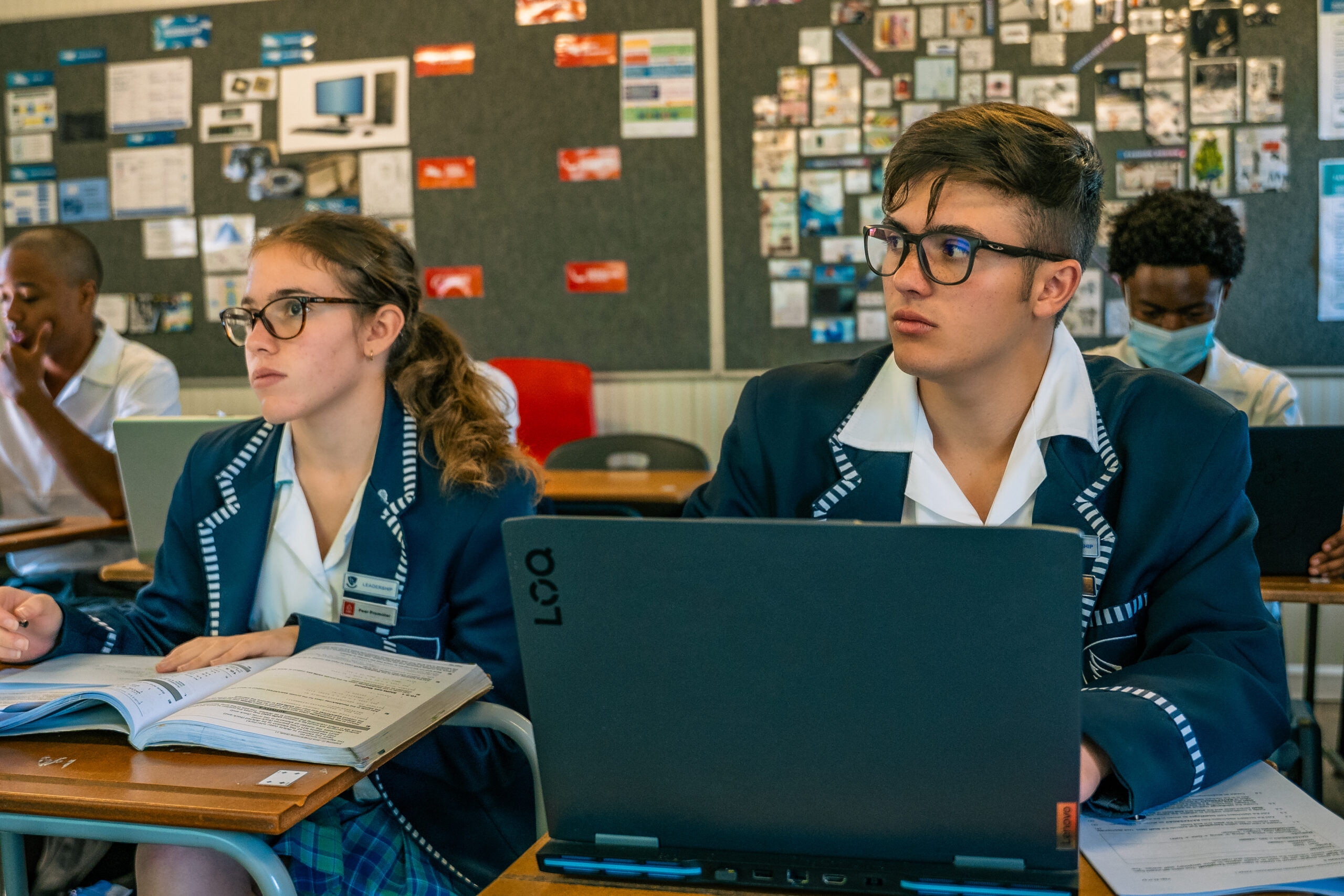
- The Learning Device (The Laptop/Tablet): This is made for creating, researching, and writing. With a larger screen, it provides the “workspace” needed to stay focused for a long time.
The Science of Distraction
Why is King’s strictly a “no cell phone” zone during academic hours? The answers lie in brain science, and Mrs Trickey highlighted three critical concepts that every learner (and adult) faces daily:
1. Multitasking is a Myth: The brain cannot focus on schoolwork and a phone alert at the same time. Instead, it just jumps back and forth (called context-switching). Every time a student checks a notification, it can take 20 minutes for their brain to get back into deep focus. This rapid switching drains energy and can cause up to a 40% drop in productivity. This is why even Smart Watches act as distractions when learning as we are automatically distracted by their notifications, which hijacks the learning and thinking process.
2. The “Brain Drain” Effect: Extensive cognitive research shows that the mere presence of a smartphone nearby (even if it is turned face-down, set to silent, or completely powered off) lowers a learner’s available brainpower. A significant part of the brain is constantly working overtime with effort just to ignore the phone.
3. Protecting “Deep Work”: Real deep learning happens when a student is “in the zone.” This is a time of steady, high-level thinking. By keeping smartphones away, we aren’t punishing students. We are intentionally creating an attention shield that allows them to reach this flow state faster.
The Solution: Digital Zoning
To help students stay focused, the school is teaching a strategy called Digital Zoning. We want students to keep their different digital activities separate by using specific apps on specific devices:
| The Social Zone (Phone Only) | The Learning Zone (Laptop/Tablet Only) |
|---|---|
| TikTok, Instagram, Snapchat & other social media apps | Google Classroom & Google Workspace Apps |
| Google Chat for School comms | |
| Gaming & Streaming (e.g. Netflix) | Educational platforms, notetaking tools, & research tools |
| Mindset: Passive / Consumption | Mindset: Active / Creation |
The golden rule of Digital Zoning? Never let social/ entertainment apps mix with schoolwork. If a student tries to write a paper while also having chat apps or videos open, they are fracturing their own focus.
More Focus at School = More Free Time at Home
Ultimately, this initiative is about giving students more control. By staying focused at school and keeping their devices separate, they can learn better and finish their work faster. This means they will have more real, stress-free time to relax when they get home as their learning is strengthened instead of interrupted.
Assembly Slides
Do you want to see the same presentation our students saw? We encourage parents to look through the slides. You can learn more about how the brain works and help your child build good digital habits at home during study time.